
• fab fa-facebook-f
  • fab fa-instagram
  • fab fa-youtube
  • fab fa-linkedin-in
  • fab fa-x-twitter
  • fab fa-facebook-f
  • fab fa-instagram
  • fab fa-youtube
  • fab fa-linkedin-in
  • fab fa-x-twitter

Pursue Your Dreams. Study in Canada with Expert Support from NovaBridge

New Study Permit Applications

Planning to study in Canada? You’ll need a valid study permit. First, secure an acceptance (letter of admission) from a Canadian Designated Learning Institution (DLI). Then, gather your documents: a valid passport and photos, the signed acceptance letter, proof of funds (e.g. bank statements, guaranteed investment certificates, education loans – typically about $20,635 CAD plus tuition for 2024, and a detailed letter of explanation about your study plans. If you’re under 18, include a custodian declaration. Apply online through IRCC’s portal, pay the fees ($150 for a permit), and give biometrics if required.

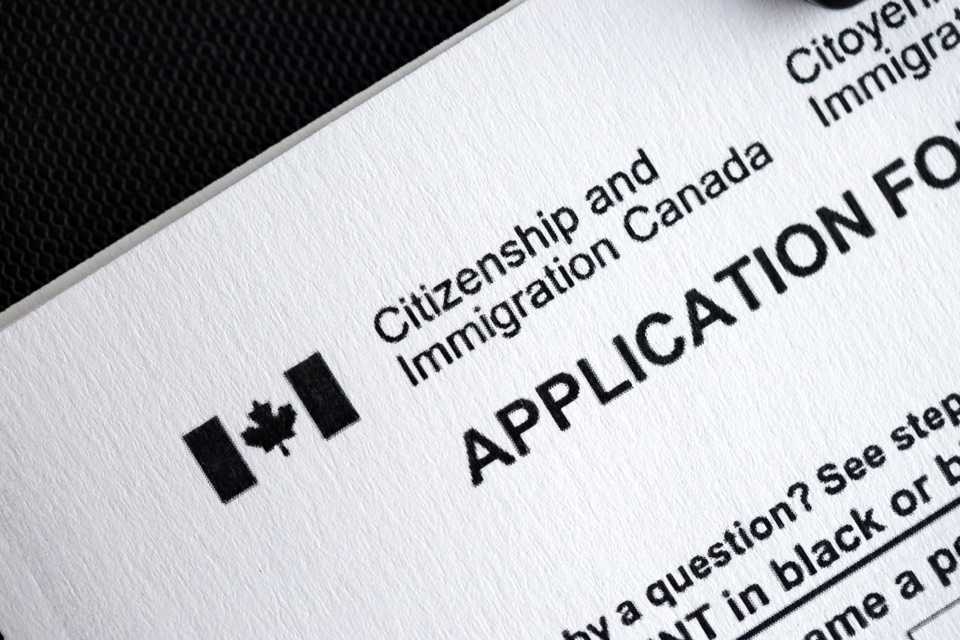
A student prepares to apply for a Canadian study permit with NovaBridge’s guidance. Apply early and carefully. IRCC now requires an attestation letter from the province or territory for every new study permit application (since Jan 22, 2024). Make sure to obtain this PAL/TAL from your province before applying. Also note that IRCC capped new study permits in 2024 (and plans 2025 limits) to manage growth. Applications sent after March 25, 2025 are not being accepted (the IRCC portal is closed to new study permits).

Application Steps:

  1. Get an acceptance letter: Meet DLI admission requirements and receive your letter of acceptance.
  2. Secure a provincial attestation (PAL/TAL): As of 2024, apply for the letter from your province or territory to meet the new IRCC intake cap rules. Without it, your application will be returned.
  3. Prepare documents: Valid passport (renew it if needed), DLI acceptance letter, financial proof, medical exam results (if required), and an explanation letter covering your goals and ties to home. Be thorough – missing info or unpaid fees will delay or void your application.
  4. Submit online: Fill out IRCC’s online study permit form, upload documents, and pay the fee. You can track the status in your IRCC account.

NovaBridge’s RCIC-licensed consultants will review each document and step with you. Our legal research team stays current on IRCC rules (like yearly fund requirements, so we can ensure your application reflects the latest criteria. We won’t promise approval (no one can guarantee that), but we will give you clear, honest feedback and help you build the strongest possible case.
Image

Did You Know? IRCC will not count renewals toward the cap, and many students (e.g. K–12, master’s/PhD students, or those renewing at the same school/level) are exempt from the new attestation rule. In other words, if you’re already here and continuing the same program, you don’t need a new PAL/TAL.

FAQs:

  • What is a Designated Learning Institution (DLI)? It’s a Canadian college, university or school approved to host international students. You must have an acceptance from a DLI to get a study permit.
  • How do I prove I have enough money? Common proofs include bank statements, GICs, proof of scholarships or loans, or evidence you’ve paid tuition. IRCC needs to see you can afford tuition + living costs + travel.
  • How long does it take? Processing varies by country and season. It can take several weeks to months. Start early!You can stay in Canada under your old permit if you apply before it expires.
  • Can I work or study part-time? Usually you must study full-time. Part-time is only allowed in your final term or with special permission. You may work on/off campus if your permit says so (max 20 hours/week during school). NovaBridge can advise based on your specific situation.
  • What if I change programs or institutions? You may need a new study permit to reflect the change. Talk to us: we’ll help with a transfer letter and reapplication if necessary.

Book a Consultation or Talk to an Expert Today to start your study permit application.

Study Permit Renewals

Check your passport and status well before your permit expires. Canadian rules say you must renew at least 30 days before expiry. In practice, we advise starting 3–6 months early to avoid any gap. Your renewal needs updated documents: recent transcripts or enrollment proof, updated proof of funds, and a letter explaining your continued studies. If you stay at the same DLI in the same program level, you don’t need a new PAL/TAL; you can simply extend under original terms. Ensure your passport stays valid longer than your new permit.

  • When to apply: Apply online in your IRCC account before your permit expires (at least 30 days in advance, ideally months in advance). If you apply early, you can legally remain under your old permit’s conditions while waiting for approval.
  • Required info: Current passport, current study permit, letter of enrollment or transcripts, proof of living expenses (e.g. recent bank statements), and any new admission letter if you changed programs. Pay the extension fee ($150) and biometrics fee (if asked). NovaBridge will ensure you’ve gathered everything and submitted correctly.
  • Special cases: If you deferred studies or changed schools, you may need a new acceptance letter and possibly a PAL/TAL. NovaBridge can help you complete a change-of-institution or program amendment.

Our consultants will watch over your timelines so you don’t let your status lapse. We’ll double-check forms and even draft a study-plan letter if needed. Note: IRCC updated the fund requirements in 2024 (living costs ~75% of LICO, e.g. ~$20,600; when extending, you must show you can still afford tuition and living.

Top Tip: Canadian universities (like UBC) recommend applying 4–6 months before your permit expires. This buffer covers any delays and paperwork. Don’t wait until the last minute!

Online Pre-Assessment

FAQs:

  • Can I study while renewing? Yes. If you apply before expiry, you have implied status and may continue studying/working under the old permit conditions until IRCC decides.
  • What if my study permit already expired? You must apply for restoration of status within 90 days of expiry. This means filing a new study permit application, selecting “Restore my status,” and paying a restoration fee. You can stay in Canada during processing, but you cannot study or work until it’s approved. NovaBridge can guide you through the restore application.
  • I changed programs – do I need a new permit? Yes, changing levels (e.g. from college to university) requires updating your permit. Apply for an extension/change of conditions before starting the new program. We’ll help with the paperwork.
  • Can I renew if I took a break or dropped out? You must be actively pursuing studies (full-time) to extend. If you took an unscheduled leave, you may lose status and need to apply for restoration or switch to visitor status. Contact us immediately; we’ll advise the best remedy.

Renew Now – Book a Consultation or Talk to an Expert Today to start your study permit application.
Study Permit Refusals

IRCC may refuse a study permit if it finds you don’t meet requirements. Common refusal reasons include: insufficient proof of funds (IRCC needs to see you can pay tuition + living expenses, doubts about ties to your home country (they want assurance you’ll return after studies, or missing/incomplete documents. A weak or missing explanation letter (describing your study goals and return plans) is another pitfall. Since Dec 2023, schools must also validate your admission in IRCC’s portal – failure to do so (or to include a required attestation) will get your file returned as incomplete.

NovaBridge support: If your application is refused, we’ll carefully review the refusal letter with you. Often the decision notice explains what was lacking. Our RCICs and legal research team can then advise your best options: reapply with stronger evidence, address the specific concerns, or (in rare cases) consider judicial review or other legal remedies. We will never guarantee a second outcome, but we will provide clear, ethical advice on how to improve your application or explore alternatives (like a different study program or institution).

Did You Know? Some applicants think a refusal means “never.” In fact, you can reapply. Many clients succeed on a well-prepared second application once the original issues are fixed.

FAQs:

  • Why was my study permit refused? Check the IRCC refusal letter; it will list reasons (e.g. “insufficient funds” or “academic reasons”). Commonly, officers worry about funds, purpose of visit, or document gaps. We can help you understand the points and address them.
  • Can I appeal a refusal? Refusals of study permits can sometimes be challenged, but usually one must submit a new application correcting the issues. In certain cases you may seek judicial review through Federal Court (time-limited). We can explain these routes, but note RCICs cannot act as lawyers in court.
  • What if I was refused while in Canada? If IRCC refused your extension and you had implied status, you must stop studying/work immediately and usually must leave Canada. You may have a brief window to restore status or reapply. Contact us right away for advice on next steps.
  • Will a refusal affect my future applications? A single refusal does not automatically bar you. However, it goes on record. We recommend being extra thorough on any reapplication and addressing IRCC’s concerns fully.

Ready to move forward? Talk to an Expert Today. Our experienced consultants can reassess your case and help you try again with a stronger application.

Non-Compliance Issues

Once you have a study permit, you must follow its conditions. IRCC spells out these rules: stay enrolled at a DLI, study full-time in each term (except authorized breaks), make academic progress, and end your studies or renew your permit before it expires. You must also obey any printed conditions (for example, work or travel restrictions). If you don’t (for example, if you stop attending classes, work without permission, or overstay), you may lose your status and have your permit suspended or cancelled.

Under Canada’s Immigration Act, failure to comply with permit conditions makes you inadmissible. In practical terms, this can lead to enforcement: an officer or CBSA (border) agent might issue a removal order (a demand to leave) or even a deportation order (which bars you from returning) if serious violations occur. Getting such an order is very serious.

NovaBridge support: If you face compliance problems – for example, you received a letter saying your permit is suspended or you’ve been issued a removal order – contact us immediately. We can help you gather documentation to restore your status (if eligible) by applying for restoration of your study permit, or to communicate with IRCC/CBSA about your case. We’ll also clearly explain your options (including legal ones). For instance, if you missed a deadline, we help you explain the reason; if you have a removal order, we explain how to comply and how to apply for an Authorization to Return (ARC) if needed. We act ethically and focus on solving your problem – but remember, we cannot reverse a removal without official permission. We can, however, provide expert guidance and coordinate with lawyers if necessary.

Top Tip: Stay in touch with your school’s international office. They can warn you if you’re at risk of non-compliance (e.g. if you fail a class or take too long off). If you think you might violate a condition (say, taking a semester off), plan ahead – perhaps by switching to visitor status with our help.

FAQs:

  • What does “suspended” or “revoked” mean? IRCC can “suspend” your permit if you no longer meet conditions, or “revoke” (cancel) it, often issuing a removal order. This means you no longer have student status and usually must leave Canada immediately.
  • Can I restore status after losing it? Possibly. You have up to 90 days to apply for restoration if you still meet the original requirements. Restoration is not guaranteed, but we can help you file the application (including an explanation letter).
  • What is a removal order vs a deportation order? A removal order (also called a departure order) means you must leave Canada by a certain date, but you may return normally later. A deportation order is more severe: you are forced to leave and barred from returning unless you obtain special authorization.
  • I was non-compliant by accident (e.g. missed class). Now what? Act quickly: document why it happened (illness, misunderstanding, etc.) and stop the violation immediately. Contact us to explore options (like immediately resuming studies, requesting a status restore, or explaining your case to IRCC). Early action can often prevent a small issue from turning into a removal order.

Don’t navigate a crisis alone. Book a Consultation – our team will help you understand the situation and guide you on the next steps with complete honesty and support.

NovaBridge Immigration Services is a fully licensed CICC-regulated firm. Our RCIC consultant, supported by competent legal professionals, follows the Code of Professional Conduct, meaning we provide transparent, well-informed advice. Our goal is to empower you with knowledge and guidance every step of the way. Let us handle the paperwork and regulations, so you can focus on your Canadian education.

Novabridge Immigration services
  • Address 655 Centre St S, Calgary, AB T2G 1S6
  • phone +1 780 952-8337

Let Us Help

Our Services

Resources

Disclaimer:

The information provided on this website is for general informational purposes only and does not constitute legal advice. For advice tailored to your specific circumstances, we encourage you to consult directly with our qualified professionals.